TrainStation 3
15 → 60 fps
Moving from 3D art into tech art on a live mobile title - profiling, draw-call and shader work that raised performance while keeping the visual target.
TrainStation 3 is a live mobile title from Pixel Federation. I spent year on the project as a 3D artist, creating art in pre-production phase. In January 2025 I moved from 3D art into tech art with a clear mandate: fix and stabilize the technical parts of the project during a global lunch phase and later while maintaining live ops schedules.
On lowest target devices, scenes ran around 15 fps at Medium settings. The game had to reach 60 without losing the visual target - while the live game kept shipping content. I managet to get those device to 60 FPS at High settings.
Clean the project from old visuals, test stuff and all deprecated stuff we didn't need anymore.
Profiling on target devices to find the real bottlenecks before touching content.
Draw-call reduction and shader work that raised performance while keeping the visual target.
Editor tooling in Unity and DCC that speed up the art team's daily workflow.
Asset budgets and pipeline standards defined between art and engineering, so new content lands within frame budget.
Mentoring artists on art workflows - assets optimization, engine best practices and asset preparation - through pair sessions and art reviews.
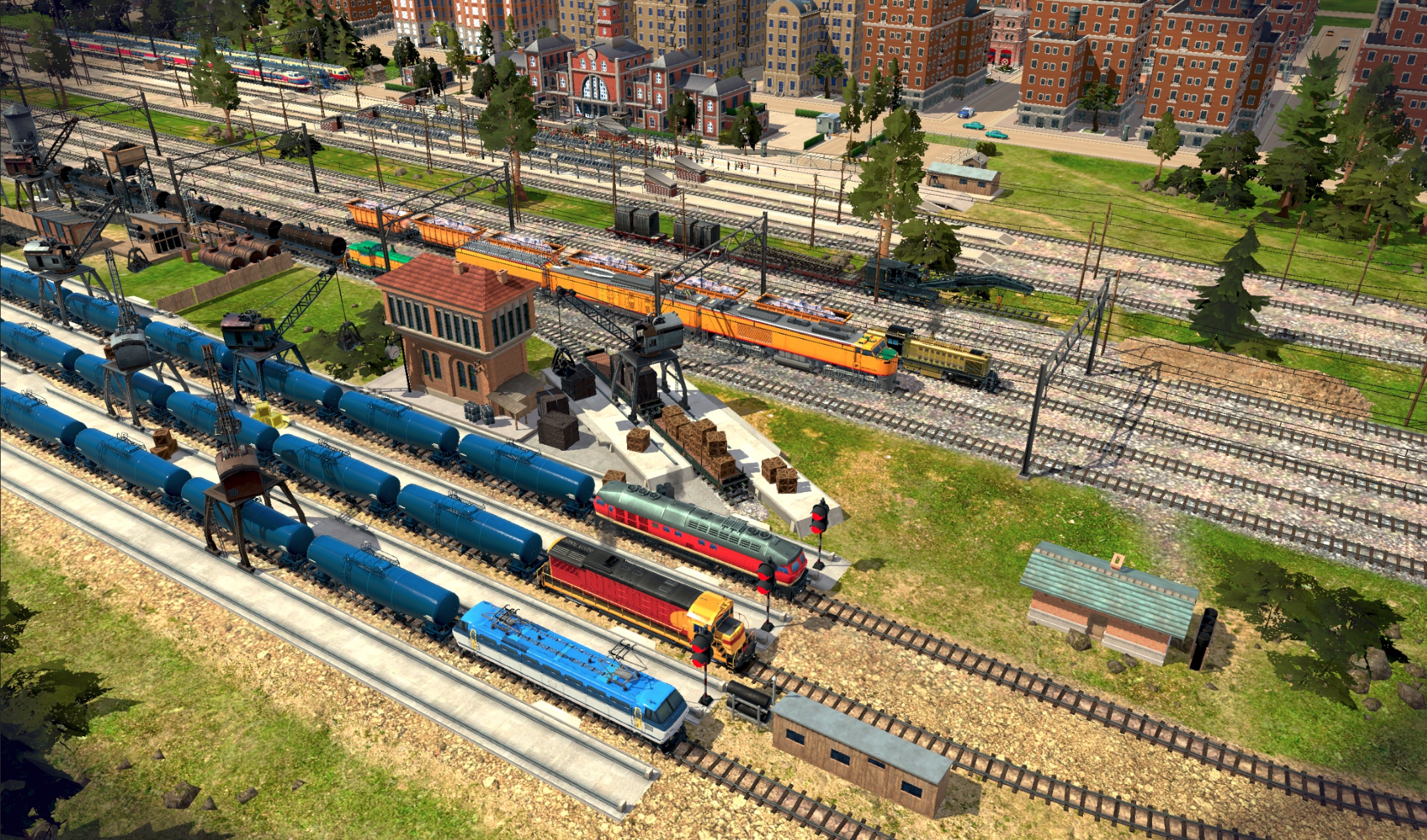
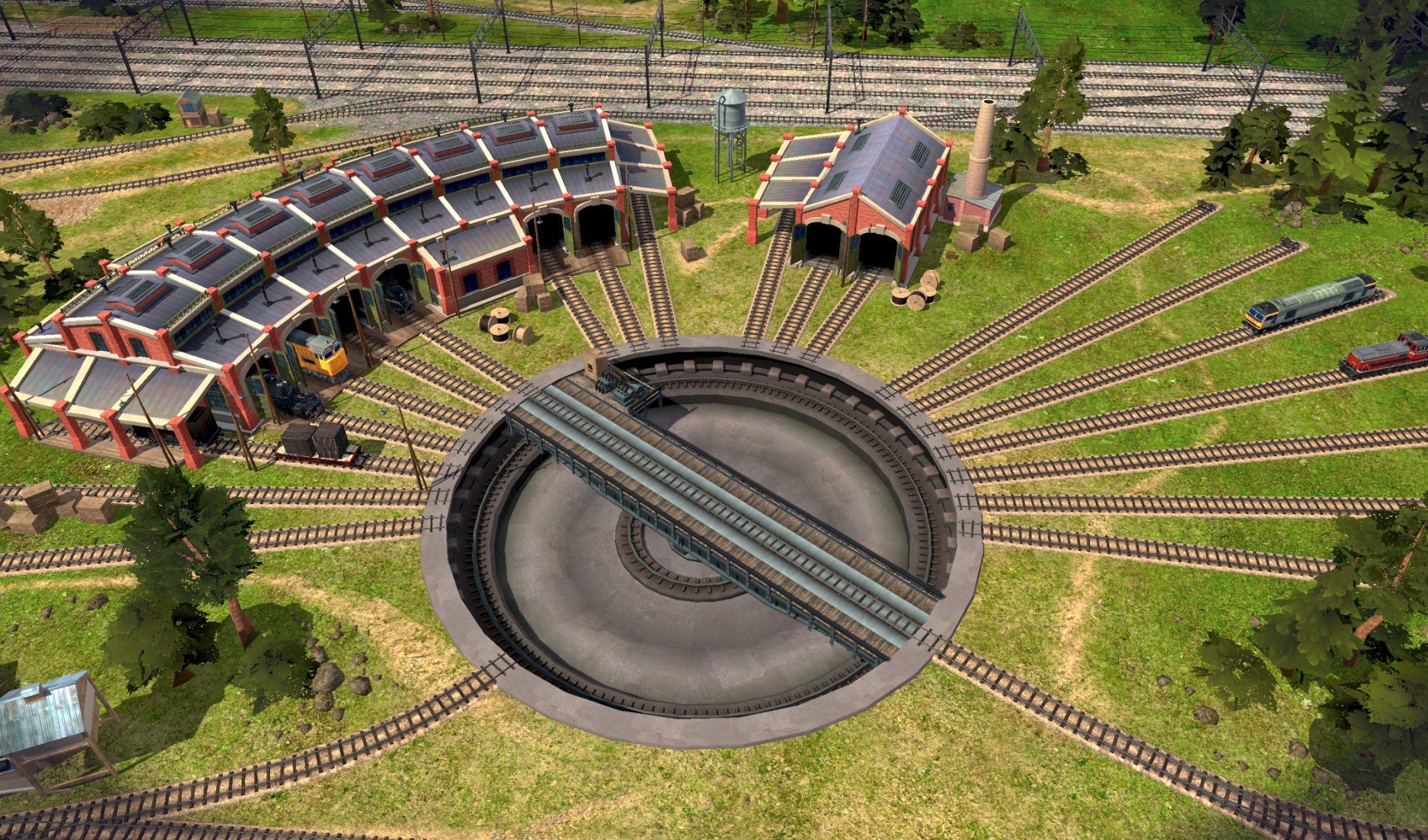
Scenes went from 15 to 60 fps on target devices without losing the look. With conversion from Shader Graph to HLSL we were able to make it even better looking. Technical side of the project stabilized - with budgets and standards keeping new content inside the frame budget.
The process became a talk: "From 15 to 60 fps: Optimizing for mobile" at the ARTwork meetup in Bratislava - a practical process for optimizing game scenes for mobile devices without visual compromise.
Led the art side of sunsetting — automating the pipeline so art takes almost zero time.
A mix of 3D art and tech-art work on a live title.