Seaport
live ops → automation
Five years of live-ops art on a mobile port builder - modelling and texturing the content, then moving to the tech-art side that kept it flowing. Later, the art side of sunsetting the game: the recurring work automated down to almost nothing.
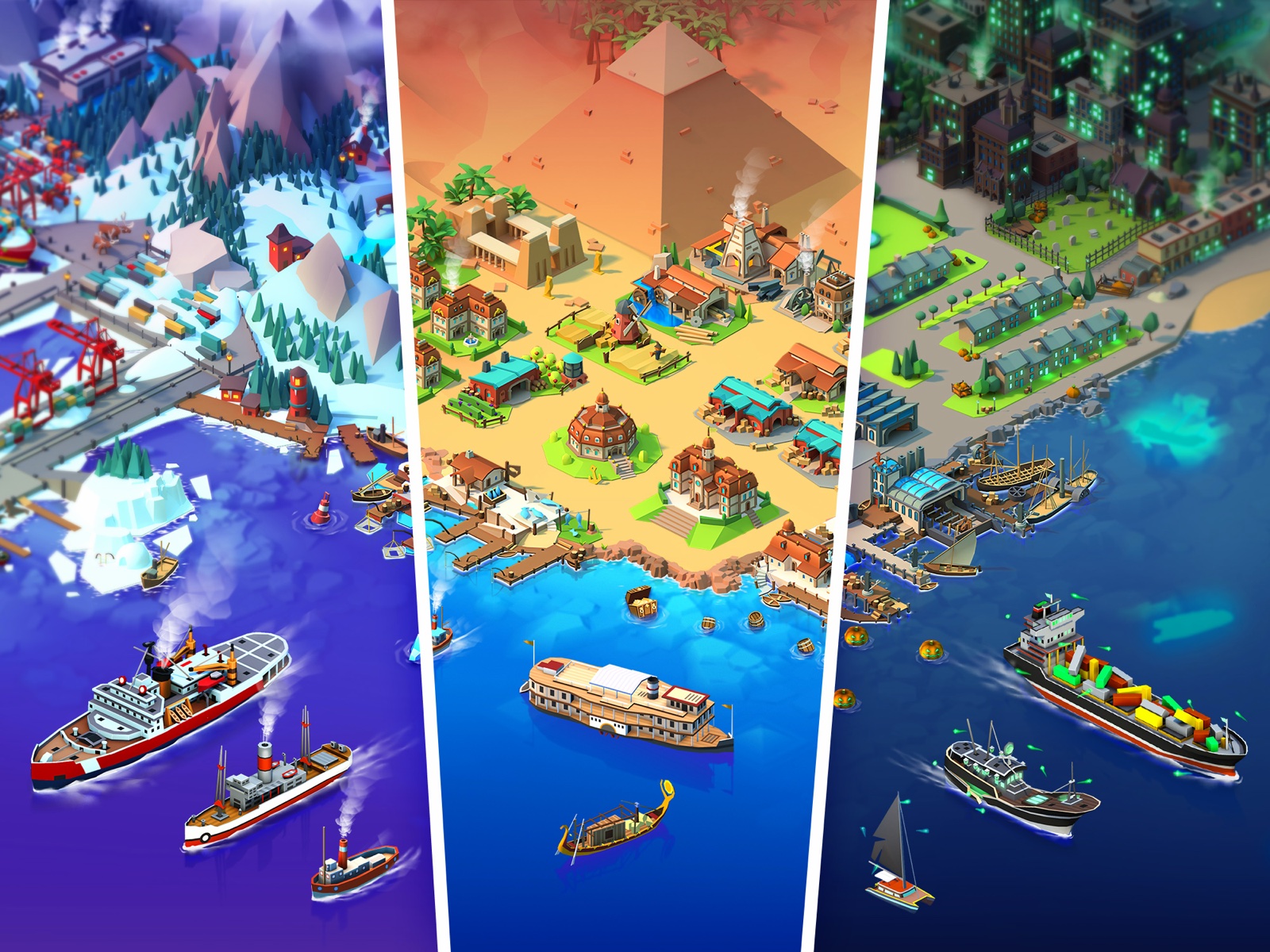
Seaport is a mobile port builder from Pixel Federation, run as a live game: new ports, seasonal events and themed content arriving on a schedule rather than in one release. I worked on it from 2017 to 2022, first as a 3D artist and then increasingly on the tech-art side.
Live ops means the same pipeline runs again every time. A themed port gets modelled, textured, exported, imported, hooked up and checked - and then it happens again for the next event, and the one after that. Each step is small. Multiplied by a live calendar and years of content, they are most of the schedule.
That recurring cost is survivable while a title is growing. It becomes the whole problem once the game is being wound down and the team around it shrinks.
Game-ready models and textures for ports, buildings and props in 3ds Max, Maya and PSD - made to hold up on mobile hardware and to stay on style across dozens of themed variants of the same place.
Working from inside the art team meant the pipeline problems were the ones I was living with: the export settings, the naming, the checks that get skipped at the end of a long week. Fixing those is worth more than modelling faster.
The parts of the pipeline that ran the same way every event became scripts instead of instructions - the preparation and export work an artist would otherwise redo by hand for each new batch of content.
When the title was wound down I led the art side of it, with the automation carrying the recurring jobs - so a live game could keep receiving content without a live art team behind it.
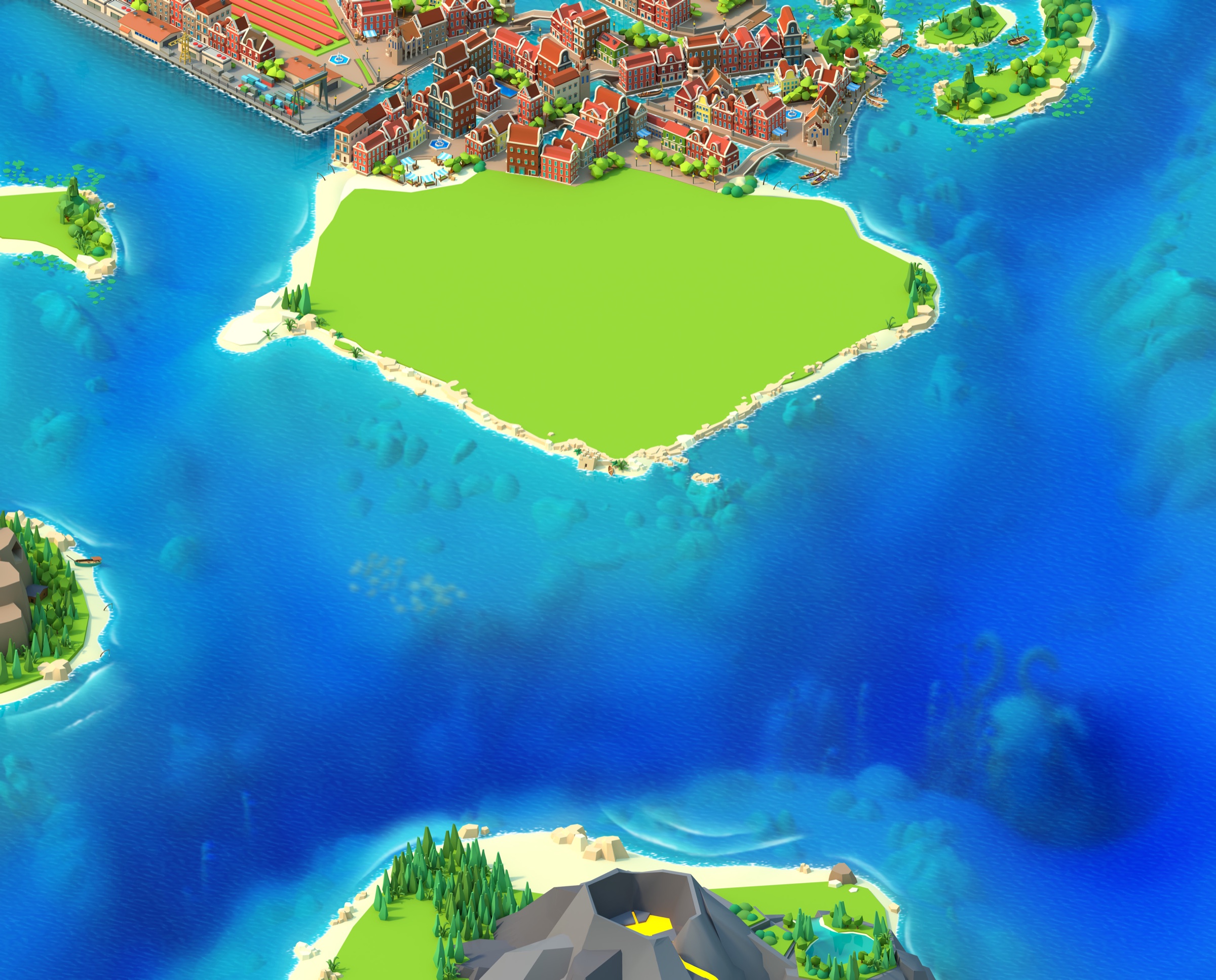
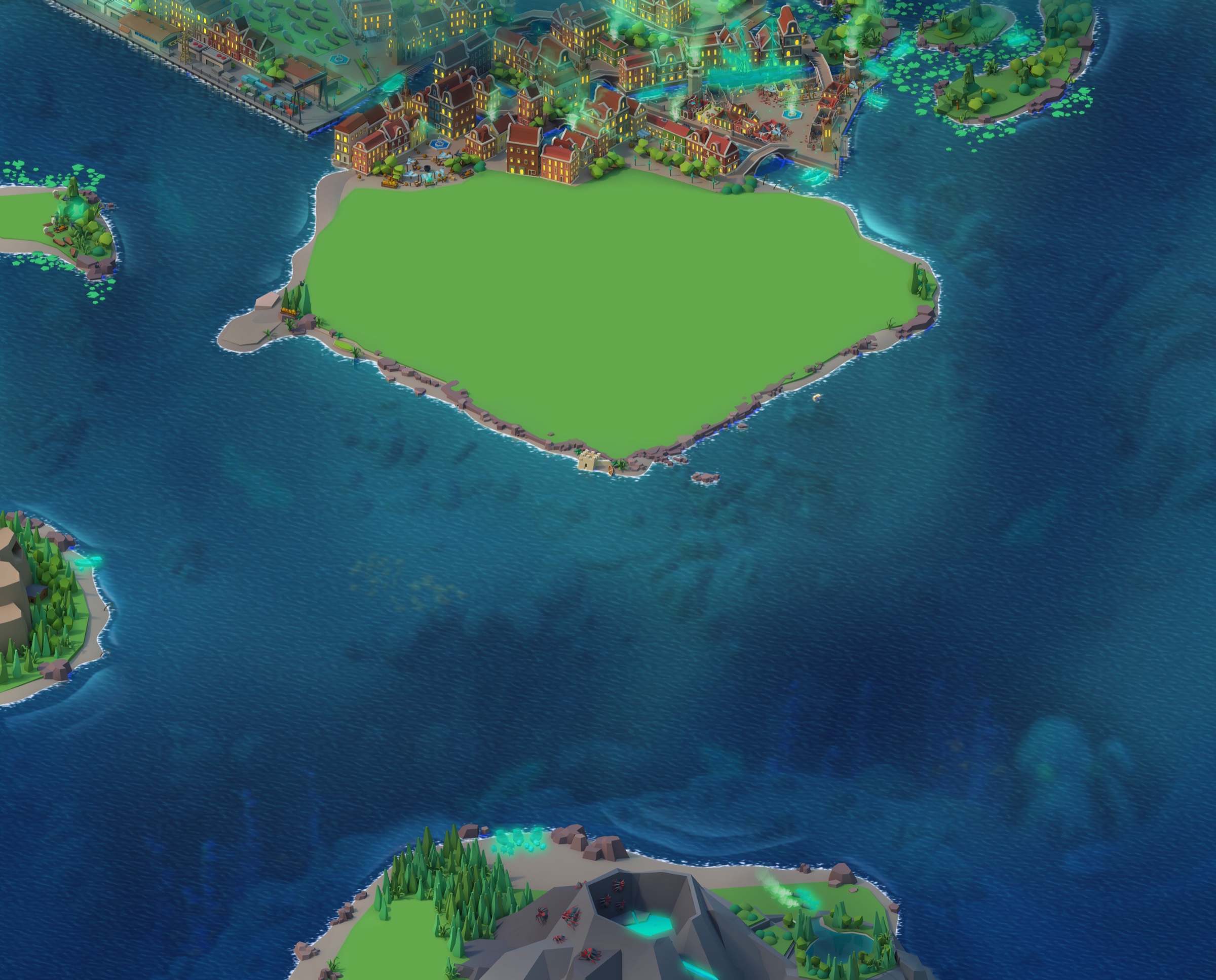
The recurring art work on Seaport now takes near-zero artist time. The game keeps running and keeps getting content, and the pipeline that produces it does not need somebody sitting in front of it - which is what makes winding a title down affordable instead of simply stopping it.
It is also the clearest example of what tech art is for: the work is invisible in the game itself, and it shows up as a team that is free to be somewhere else.